
A local citation audit reviews every online mention of your business name, address, and phone number to find errors, duplicates, and missing listings across directories. For businesses that depend on local customers, inaccurate listings can mean lost calls and wrong directions. Local Citation Services runs one-time audit and cleanup orders backed by 150+ specialists and 24,000+ completed orders across 50+ countries.
What a Local Citation Audit Actually Covers

An audit is a manual inventory. A specialist searches structured directories for your business, records what each listing currently contains, and flags anything that does not match your reference NAP.
NAP Consistency Check
The three fields checked are Name, Address, and Phone Number, on platforms like Google Business Profile, Yelp, Apple Maps, Bing Places, and category directories relevant to your industry. Small variations count: “St.” versus “Street,” a missing suite number, a swapped area code. Each field is compared against the reference NAP you supply at ordering.
Duplicate Listing Detection
A duplicate means the same business appears twice on one platform, sometimes with different review counts on each entry, sometimes with conflicting address formats. Duplicates often trace back to an old owner, a moved office, or an auto-generated listing the business never claimed. The audit records both entries and notes which one is the current-of-record version.
Missing Directory Identification
The audit team compares your existing footprint against directories that typically list businesses in your category and location. If a relevant directory has no entry for you, it is added to the missing list. Closing those gaps is a local citation submission job rather than a correction one. Category matters here: an industry-specific citation guide will list different directories for a dental clinic than for an auto shop.
The deliverable is a written report. Each row names the directory, the URL of the listing, the current NAP data on that listing, the status (correct, incorrect, duplicate, or missing), and the specific field containing the problem.
Takeaway: An audit produces a row-by-row report of every listing found and every error it contains. It documents the state of your directory footprint; it does not change it.
How Much a Local Citation Audit Costs

One-Time Pricing Structure
A local citation audit at Local Citation Services is a one-time order, not a subscription. One-time pricing starts from $5, and the final price depends on scope. There is no monthly fee, no retainer, no automatic renewal. When you want a fresh audit later, you order one.
What Affects the Price
Three variables move the price:
- Number of directories checked. A short list of the top general directories costs less than a wider sweep that includes industry and regional sites.
- Whether cleanup is bundled. A standalone audit report is the lowest-cost option. Bundling manual citation cleanup costs more, but avoids placing a second order if the report turns up problems you cannot fix yourself.
- Number of business locations. Each location is a separate audit unit. Franchises and multi-site practices often order all locations together.
Listing data drifts. A phone number changes, a directory auto-imports old data, a staff member updates one profile and forgets another. Some buyers order a fresh audit again after making changes; treat it as a discrete job you place when you have a reason to, not something running in the background.
Takeaway: Pricing is per-order and starts from $5. Scope, bundling, and location count are the levers; nothing recurs unless you order it again.
Following One Business Through the Audit Process

To make the process concrete, here is one clinic’s experience end to end.
The Initial Discovery Stage
Maplewood Physiotherapy is a composite example, not a real client. It is a three-therapist clinic that moved offices last year. A patient mentioned finding the old suite number on a directory. The office manager ordered an audit-only report to see how widespread the problem was.
During discovery, the specialist searched structured directories manually and logged every live listing. Forty-seven active listings turned up across general and health-specific directories. A medical clinic citation guide covers the kind of category directories that show up in a sweep like this.
Errors Found and Documented
The report flagged the following:
- 19 listings still carried the old suite number in the address field.
- 2 listings displayed a disconnected phone number belonging to a previous practice owner.
- 3 duplicate entries on two different platforms, each with a small number of reviews split across the copies.
- 4 listings the clinic had never claimed and did not know existed.
Each row named the platform, the URL, the incorrect field, and the incorrect value. The office manager printed the report and worked through it with a highlighter.
Cleanup and Verification
The clinic then placed a separate cleanup order for the 21 listings with wrong data plus the duplicates. The specialist team updated fields where a claimed account existed, filed support requests where it did not, and submitted merge or removal requests for the duplicates.
Reception staff continued to note wrong-address complaints in the appointment log for a while, then stopped noting them. The office manager did not attribute that to any single fix; several things changed at once, including a new sign at the front door. She verified the cleanup by searching the clinic name on each flagged directory herself and confirming the current data matched the reference NAP.
One honest detail: two of the duplicate listings on a smaller regional directory never came down. The support ticket stayed open. The office manager decided to live with it.
Takeaway: The audit produced a specific list; cleanup worked through it; some entries resisted removal. That last part is normal.
How To Order a Local Citation Audit
Choosing the Right Order Type
Orders are placed on the service website. The two starting choices are:
- Audit-only report. You get the written report and handle any corrections yourself, or pass the report to your own team.
- Audit plus cleanup. The audit runs first; the specialist team then works the correction list without a second order.
Which one fits depends on whether you have the account access and time to make edits across dozens of directories. Some buyers pair the audit with a Google Business Profile boost if the profile itself needs attention alongside the wider footprint.
What To Prepare Before Ordering
Collect the following before you place the order:
- Exact legal or trading business name, spelled the way it should appear.
- Current address including suite, unit, or floor.
- Primary phone number.
- Website URL.
- Any previous addresses or phone numbers the business has used. These help discovery pick up old listings you no longer control.
- For multi-location businesses, a spreadsheet of each location’s NAP treated as a separate audit unit.
Once ordered, the specialist team runs the review and delivers the report. From there, you decide whether to fix things yourself or add a cleanup order.
What To Do With the Audit Report
Reading the Report Output
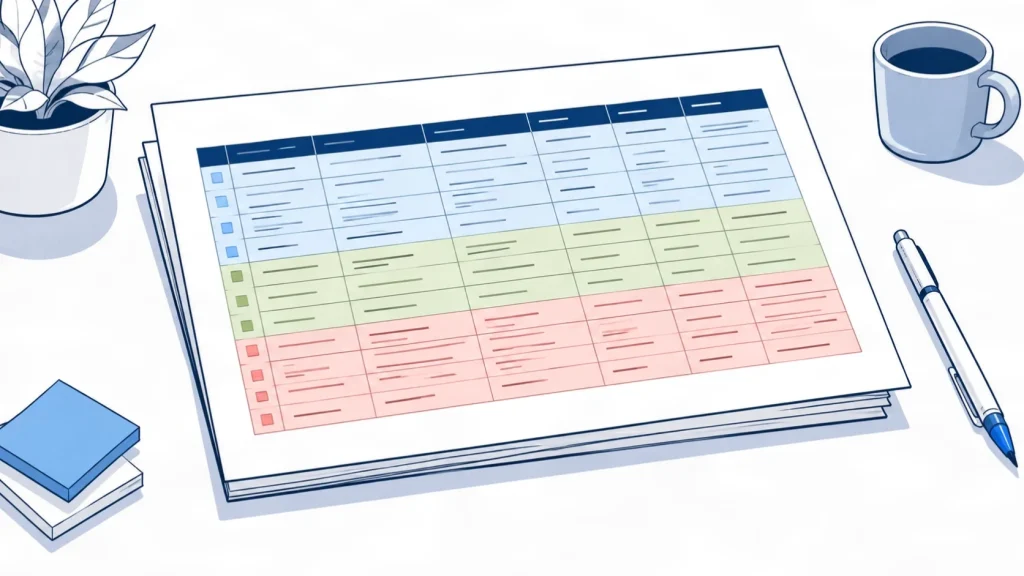
The report is structured for action. Each row lists the directory, the URL of the live listing, the current NAP on that directory, whether it matches your reference NAP, and the type of problem: wrong field, duplicate, or unclaimed listing. Sort by problem type to plan the work.
Deciding Between DIY Fixes and Professional Cleanup
Some directories allow direct edits through a claimed account, which is straightforward if you still have the login. Others require a support request or a reinstatement process that can involve documentation of business ownership. That is why many buyers order professional cleanup rather than working through the queue manually.
Google’s own guidance is worth citing here directly. According to Google’s help documentation, “businesses with complete and accurate info are more likely to show up in local search results,” and an inaccurate profile “might not show up for relevant searches in your area.” That guidance applies to your Google Business Profile specifically. Broader local SEO work can address other parts of your online presence.
Verifying After Corrections
After corrections are submitted, verification is manual and observable. Search your business name on each flagged directory. Confirm the current data on the listing page matches your reference NAP on name, address and phone. Note anything still wrong and follow up with the directory or with the cleanup team.
Takeaway: The report is a to-do list. Some rows you can close in a browser tab; others need a support process. Verify each row by opening the listing yourself.
Frequently Asked Questions
What is included in a local citation audit report?
A row-by-row list of every directory listing found for your business, the current NAP data on each one, whether it matches your reference NAP, and the specific error type: wrong field, duplicate, or unclaimed listing.
How is a citation audit different from citation cleanup?
An audit documents the current state of your listings and produces a written report. Cleanup is the manual work of updating, merging, or removing the problem listings the audit identified. They are two separate orders.
Do I need an audit if I only have one business location?
A single location can still accumulate listings across dozens of directories, especially after a move or a phone change. If you have never checked or have changed any core detail, an audit is the way to see the current state.
Can I order a citation audit for multiple locations at once?
Yes. Each location is treated as a separate audit unit with its own reference NAP and its own report. Franchises and multi-site practices commonly order all locations in one purchase to keep the results comparable.
How do I check whether my citations have been corrected after an audit?
Search your business name on each directory the report flagged, open the live listing, and confirm the NAP fields match your reference values exactly. Any remaining mismatch is either still pending with the directory or needs a follow-up request.
What information do I need to provide before ordering an audit?
Business name, current address with suite or unit, primary phone number, website URL, and any previous addresses or phone numbers the business has used. For multiple locations, a row per location with the same fields.
Next Step
If you have moved, changed a phone number, taken over a business, or simply have never checked, the practical next step is a written inventory of where you appear online and what each listing says. You can order a one-time audit directly from Local Citation Services and decide, once the report is in hand, whether to fix listings yourself or add a cleanup order for the rows you cannot close on your own.

Founder, Local Citation Services and Local SEO Expert
Sharif has built local citations by hand since 2009, across 24,000+ orders and 50+ countries. He leads the team that submits every listing manually, checks what already exists before adding anything, and reports back with a live URL and a login for each one. He writes about what the work actually involves, what goes wrong, and what a business owner can check for themselves without buying a tool.